What do McLaren’s newest upgrades tell us ahead of Monza?
McLaren will debut its rotating 'H-wing' rear wing at Monza and Italy, inspired by Ferrari's Macarena design.
McLaren has introduced a significant aerodynamic upgrade at the 2026 Italian Grand Prix, unveiling its own version of the rotating rear wing device that Ferrari originally pioneered. This innovation, which McLaren has dubbed the "H-Wing," was first tested during practice sessions at the Hungarian Grand Prix but is being deployed for the full race weekend at Monza. The move marks a key development in McLaren’s ongoing quest to enhance straight-line speed and overall performance on one of Formula 1’s fastest circuits.
The rotating rear wing concept, often referred to as the "Macarena" wing after Ferrari’s initial pre-season testing debut in Bahrain, has since been adopted and adapted by several teams. Red Bull introduced their own variant in Miami, while McLaren’s approach has been closely watched since their initial evaluation in Hungary. According to Crash.net, McLaren chose not to use the device in qualifying or the race in Hungary but has committed to running it throughout the Italian GP weekend. The H-Wing’s name is a nod to the ‘H’ in the Etihad Airways branding on McLaren’s rear wing, continuing a tradition that began with McLaren’s 2010 F-duct system, which was named after branding positioned near its inlet.
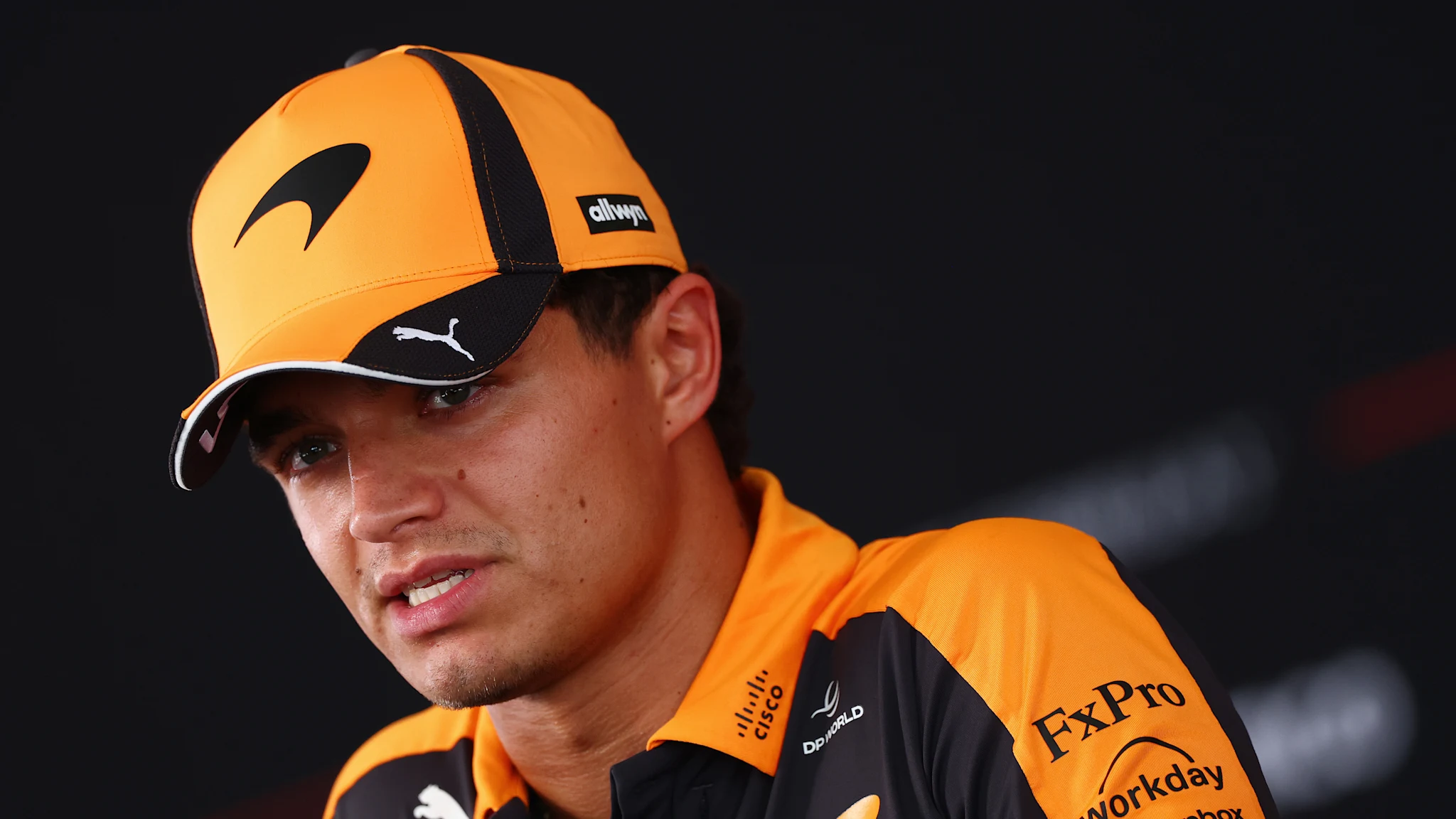
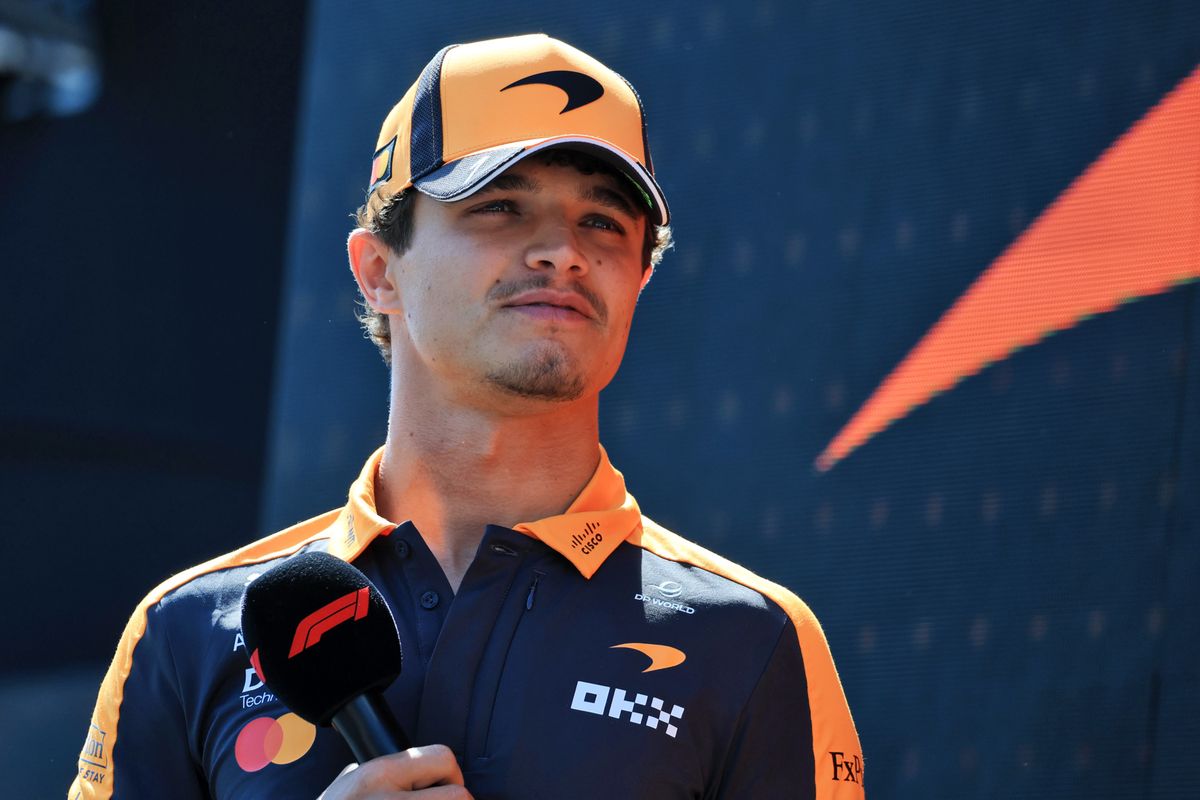
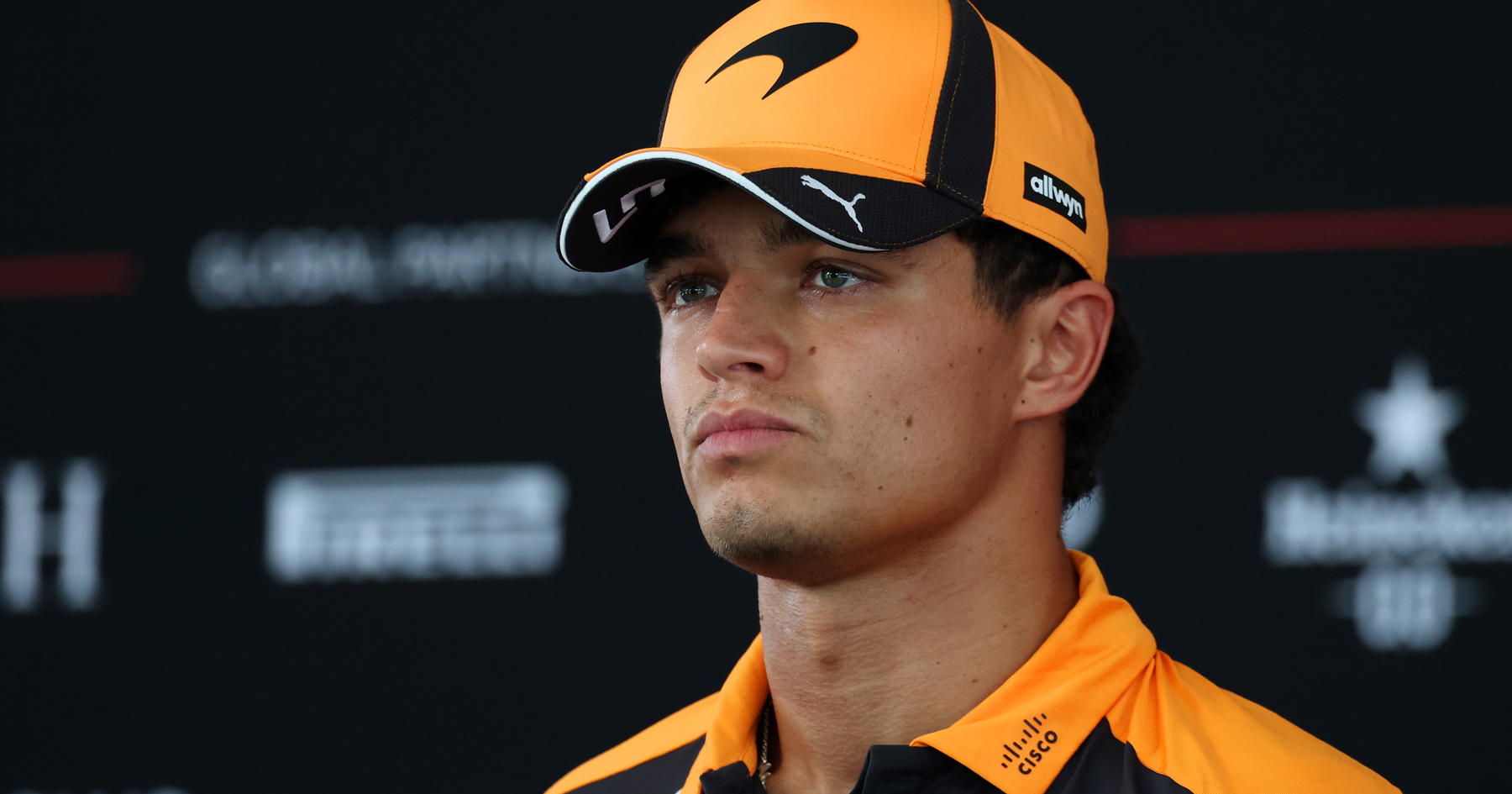
Beyond the rotating rear wing, McLaren has brought additional upgrades to Monza, including updated floor components, continuing the development path that has powered their recent success. As noted by Formula 1’s official site, McLaren’s technical director Neil Houldey described the upgrades introduced at Zandvoort-such as a new rear wing, engine cover, diffuser tweaks, and front wheel rims-as independent aerodynamic components that collectively contributed to Lando Norris’s back-to-back victories. These improvements were not introduced as a single package but rather as discrete elements that each add performance, underscoring McLaren’s methodical approach to car development.
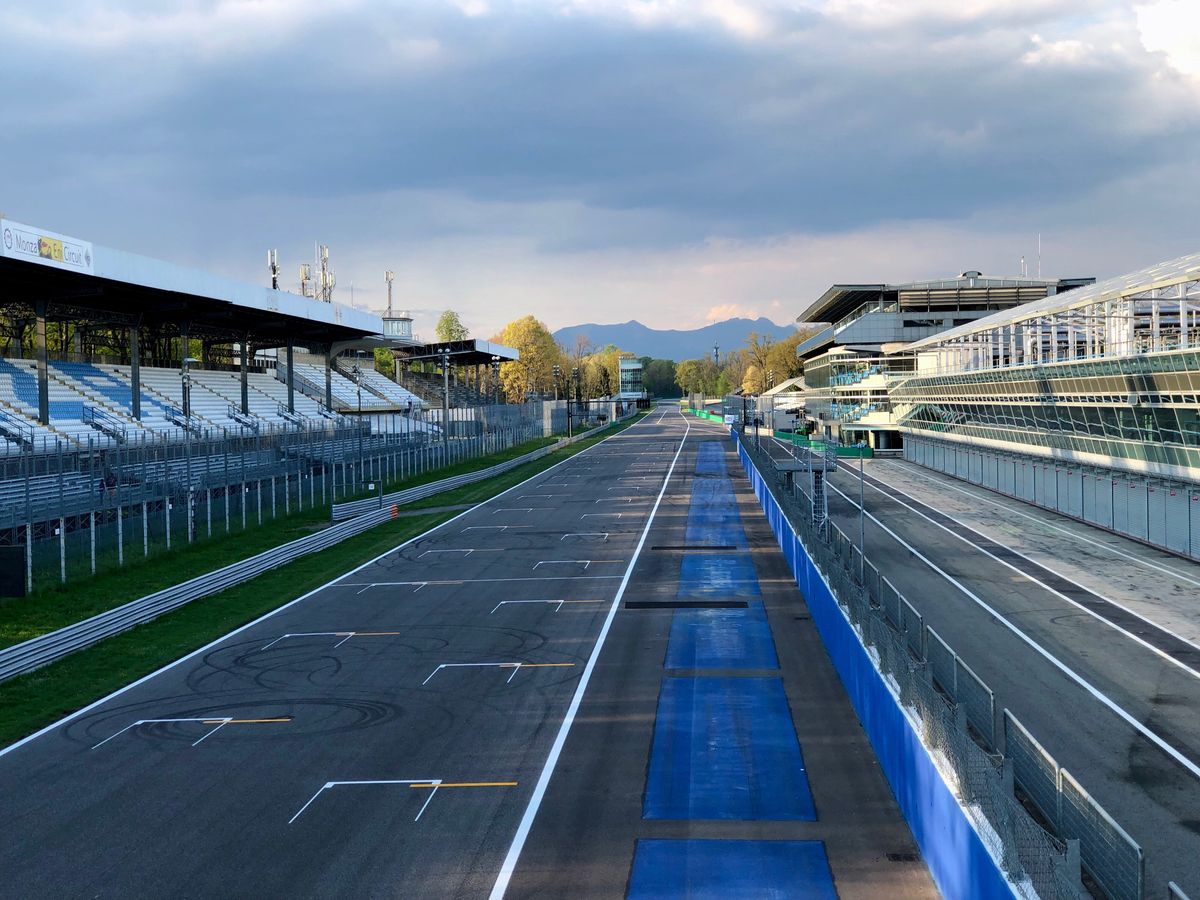
The timing of the H-Wing’s full deployment at Monza is significant given the circuit’s reputation for long straights where drag reduction is crucial. Crash.net highlights that McLaren hopes this innovation will help reduce drag on Monza’s famously fast sections, potentially boosting top speed and lap times. However, Motorsport.com reports an intriguing detail from McLaren driver Oscar Piastri, who noted that the team’s top speed was actually higher in Hungary than at Monza, suggesting that the energy-starved 2026 F1 cars may not reach the peak speeds at Monza that were once expected at the traditionally fastest track on the calendar. This nuance indicates that while the H-Wing aims to improve straight-line performance, the overall speed gains may be influenced by broader changes in car design and regulations.
Other teams have taken a more conservative approach to upgrades at Monza. Mercedes has focused solely on drag reduction without introducing new performance parts, while Ferrari has brought only circuit-specific updates. Red Bull has introduced reliability improvements and minor aerodynamic tweaks, including a revised floor edge and updated front wing endplate vane. In the midfield, Aston Martin and Haas have brought front suspension, floor, and bodywork updates, but Audi has not submitted any upgrades for this race. This context highlights McLaren’s aggressive development push, which has already yielded tangible results in recent races.
The introduction of the H-Wing also reflects the ongoing technical arms race in Formula 1, where teams seek marginal gains through innovative aerodynamic solutions. Autosport and Motorsport.com both emphasize McLaren’s decision to brand their rotating wing differently, distancing it from Ferrari’s original Macarena name while acknowledging the conceptual lineage. This branding choice not only ties into McLaren’s sponsorship but also signals the team’s intent to make the device a distinctive part of their car’s identity.
Looking ahead, the effectiveness of McLaren’s H-Wing and accompanying upgrades will be closely scrutinized throughout the Italian Grand Prix weekend. Given McLaren’s recent form, including Norris’s consecutive wins, the team is clearly aiming to sustain momentum and challenge the frontrunners on a track that demands both low drag and high downforce balance. Fans and analysts will be watching to see if the H-Wing provides a measurable advantage in qualifying and race pace, and whether it influences other teams’ aerodynamic strategies in the coming rounds.
Further reading
Reported
Official — confirmed directly by an official series or governing-body source.
Reported — written as settled fact by the outlets covering it, without an official source directly.
Unconfirmed — the wording hedges (reportedly, could, linked with), so treat it as a claim, not a fact.
Based on each outlet's official status and how firmly their headlines are worded.
The strongest sourcing here is Formula 1, an official series or governing-body source.
9 independent outlets are carrying this: Formula 1, RacingNews365, Motorsport.com, Autosport, Motorsport Week, PlanetF1, GPBlog, GPFans, Crash.net.