Verstappen warns of tougher Mexico GP challenge as turbo lag and grip issues mount
Max Verstappen and Isack Hadjar highlight the extreme challenges of the Mexico F1 weekend due to altitude effects.
- Drivers face increased difficulty from active aerodynamics at the Mexico race this year.
- Turbo lag is expected to significantly impact performance due to the high altitude of the venue.
- This challenging environment could affect race strategies and driver performance throughout the weekend.
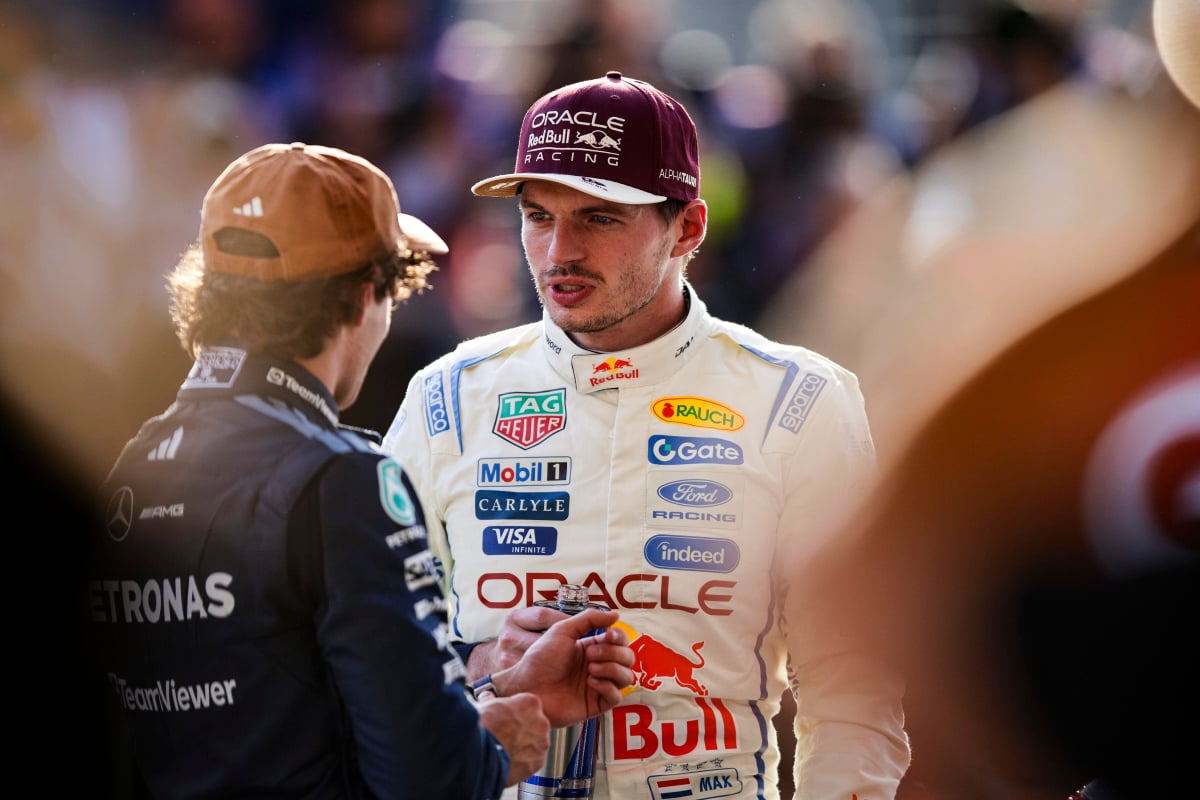
Max Verstappen has highlighted the increased difficulty drivers will face at this year’s Mexican Grand Prix, pointing to the combined effects of altitude, active aerodynamics, and turbo lag as key factors complicating the weekend. The Autodromo Hermanos Rodriguez sits at 2,286 metres above sea level, and the thinner air reduces downforce and grip, making the track “slippery as hell,” Verstappen said during Thursday’s media day in Mexico City.
Unlike previous years, when teams could partially offset the altitude’s impact by adjusting wing settings, this season’s active aerodynamic systems limit such flexibility. Verstappen explained that drivers now “basically just run one wing,” which results in significantly less downforce than before. This change is expected to increase sliding and make the cars harder to control, especially in low-speed corners where grip is already scarce.
The altitude also affects engine performance. Turbo lag is a major concern because the MGU-H, which previously helped reduce lag, is no longer permitted to assist the turbo at high altitude. This means drivers will have to manage throttle response more carefully, adding another layer of complexity to the race weekend.
Verstappen described Red Bull’s RB22 as a balanced car without particular strengths in either high-speed or low-speed corners. Despite this, he noted the team’s recent success at circuits dominated by slower corners, such as his Singapore win and strong qualifying in Monaco, suggesting the car can still perform well under challenging conditions.
Rookie Isack Hadjar, also present at the media day, echoed Verstappen’s assessment of Mexico’s unique challenges. Both drivers expect the combination of reduced grip and turbo lag to test their skill and the teams’ setups more than usual.
With the Mexican GP shaping up to be one of the most demanding races of the season, teams will need to adapt quickly to the constraints imposed by altitude and the new aerodynamic rules. How well they manage these factors could have significant implications for the championship battle as the season approaches its final stages.
Who’s who
- Laurent Mekies is the team principal at Red Bull.
Further reading
The strongest sourcing here is Motorsport.com, a first-tier outlet - the tier that generally does its own reporting.
4 independent outlets are carrying this: GPBlog, GPFans, RacingNews365, Motorsport.com.